
An inventory management system is software that helps businesses track stock, manage product movement, monitor availability, and maintain accurate inventory records in one place. It simplifies the full inventory workflow so operations and warehouse teams can work faster and with fewer mistakes. It also helps keep inventory information organized for planning, audits, and day-to-day control.
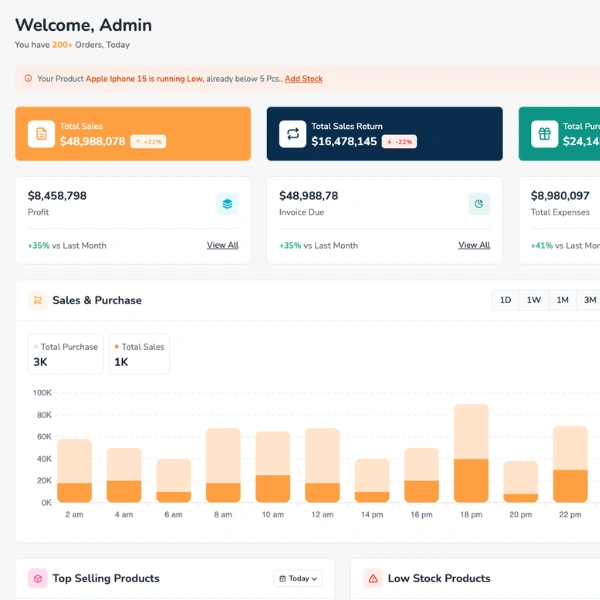
Inventory Management System
Webtech Nepal’s Inventory Management Software helps businesses efficiently manage stock, purchases, sales, warehouses, and inventory movements from one centralized platform. Reduce stock errors, improve inventory visibility, and make smarter business decisions with real-time data.
- Track inventory in real time.
- Manage stock, purchases, and sales efficiently.
- Reduce stock shortages and overstocking.
- Generate inventory reports and business insights.
About Inventory Management Software
Inventory is one of the most important operational areas in any growing business. Every day, teams need to monitor stock levels, receive goods, record movements, manage reorder points, and make sure the right products are available at the right time. When these tasks are handled manually, inventory becomes harder to control, more prone to error, and more difficult to scale.
An inventory management system brings structure and automation to this process. It centralizes product data, tracks stock movement in real time, and creates a more reliable workflow for operations, warehouse, procurement, and leadership teams. For businesses that want to grow without losing visibility or control, inventory software becomes a core operational system rather than just a supporting tool.
Why Businesses in Nepal Need Inventory Software
As businesses expand, inventory complexity grows with them. Different product categories may follow different stock rules, demand may shift seasonally, and teams may need to manage purchases, transfers, and returns across multiple locations.
Manual spreadsheets and disconnected systems often make inventory harder to manage. A dedicated inventory system helps reduce repetitive tasks, improve stock accuracy, and support faster decision-making. It also gives managers a clearer view of inventory levels, product movement, and stock value across the business.
Inventory Management System Benefits
- Improve inventory accuracy across products and locations.
- Reduce manual stock tracking and entry errors.
- Prevent stockouts with better reorder planning.
- Centralize inventory data in one secure system.
- Support faster receiving, transfers, and fulfillment.
- Scale smoothly as products, suppliers, and warehouses grow.
- Improve reporting for forecasting and planning.
Powerful Features of Inventory Management Software
Make inventory feel less like a guessing game and more like a smooth, organized process. With the right inventory software, your team can manage stock, suppliers, warehouses, and reports in one place without the stress of manual updates and scattered records.
Real-Time Stock Tracking
Stay in control of inventory with live stock updates across products, batches, and locations. Instead of relying on spreadsheets that quickly go out of date, your team can see what is available, what is reserved, and what needs attention right away. This means fewer surprises, faster decisions, and better day-to-day operations.
Purchase and Reorder Management
Keep inventory replenishment on track without constantly checking stock levels by hand. The system helps manage reorder points, purchase requests, supplier orders, and restocking workflows, so your business can respond before items run low. That gives operations and procurement teams more confidence in every purchasing cycle.
Warehouse and Location Control
Manage inventory across multiple warehouses, stores, or stock points from one system. Your team can track transfers, monitor available quantities by location, and maintain better organization across the business. It also becomes much easier to keep stock aligned with actual demand.
Barcode and SKU Management
Give your team a faster and more reliable way to identify, receive, and move inventory. Barcode and SKU support helps reduce manual entry, improves picking accuracy, and creates cleaner records across stock operations. This also makes everyday warehouse work more efficient and less error-prone.
Batch, Serial, and Expiry Tracking
Some businesses need more than basic stock counts, and inventory software should make that easy. Track products by batch, serial number, or expiry date based on your inventory model and operational requirements. That flexibility helps you maintain traceability without creating extra manual work.
Inventory Insights and Analytics
Understand what your inventory is really doing with clear dashboards and live reporting. You can track stock value, slow-moving items, fast sellers, and reorder patterns without digging through disconnected spreadsheets. Better visibility leads to better decisions, especially as your operations become more complex.
Inventory Software Use Cases
Inventory software is useful in everyday business situations where stock accuracy, timing, and visibility matter. From receiving and storage to fulfillment and reporting, it helps your team stay organized and in control at every step.
Stock Level Monitoring
Monitor inventory continuously without the usual uncertainty. The system helps track available quantities, reserved items, and low-stock alerts in real time, so your team can respond before issues affect sales or operations. This creates a better experience for both internal teams and customers.
Purchase and Replenishment Planning
Managing replenishment manually can be time-consuming and inconsistent. Inventory software helps teams manage reorder points, supplier purchases, and incoming stock with less effort while supporting better planning across the business. That means fewer shortages and less pressure during busy periods.
Goods Receiving and Putaway
Record incoming inventory quickly and accurately through a structured receiving process. This removes the need for scattered manual notes and helps your team place products into the right storage locations right away. It also improves traceability from the moment stock enters the business.
Order Fulfillment Support
Accurate inventory is critical when orders need to be picked, packed, and shipped on time. Inventory software gives warehouse and sales teams the visibility they need to fulfill orders with fewer mistakes. That helps improve service levels and reduces avoidable delays.
Returns and Stock Adjustments
Handle damaged goods, returned products, and stock corrections without losing track of inventory accuracy. The system keeps changes organized and visible, making it easier to understand what happened and why. This keeps stock records cleaner and more dependable over time.
Multi-Location Inventory Management
If your business operates across more than one warehouse, store, or branch, inventory can quickly become difficult to coordinate. A good inventory system helps you manage transfers, stock balances, and availability in one place. This makes it easier to stay aligned, even across multiple locations.
Inventory Reporting and Audits
Strong inventory records matter when it is time for stock reviews, reconciliation, or financial planning. Inventory software gives you structured reports and accurate history that are easy to access and share. This saves time and supports better decision-making across the business.
Data Security, Privacy and Compliance
Inventory data includes product, supplier, movement, and operational information, so security should never be treated as an afterthought. A reliable inventory system protects your data with strong safeguards that help maintain trust, control, and business continuity.
End-to-End Encryption
Your inventory information is protected both while it is being transferred and while it is stored. Using AES-256 encryption helps keep sensitive data safe from unauthorized access and reduces the risk of breaches. This gives businesses peace of mind when handling critical stock and supplier records.
Role-Based Access Control
Not everyone in the company needs access to every inventory detail. Role-based permissions make sure users only see the information relevant to their responsibilities, which helps protect sensitive data and reduce internal risk. It also keeps workflows more organized and accountable.
Complete Audit Logs
Every action in the system is recorded so you have a clear trail of what changed and when. This is useful for internal checks, process reviews, and accountability across teams. If questions ever come up, you can review the history quickly and confidently.
Secure Cloud Infrastructure
An inventory system should be available when you need it and protected against unexpected disruptions. Hosted on AWS with a 99.9% uptime SLA, automated backups, and disaster recovery, the platform is built for reliability as well as security. That means your inventory operations stay stable and accessible.
How to Choose the Best Inventory Software in Nepal
Choosing inventory software is not just about features. It is about finding a solution that fits your workflow, supports your business model, and makes inventory easier to manage from day one.
Accuracy and Automation
Look for software that reduces repetitive manual work and improves stock accuracy. A strong automated system should help your team update inventory faster while keeping quantities and records dependable. That kind of reliability saves time and supports better control.
Real-Time Visibility
Inventory software should help you see what is happening across products and locations without delay. The best systems make visibility feel built in, not something you need to piece together manually. That means faster decisions and fewer surprises.
Ease of Use
An inventory system should be simple enough for your team to use without a steep learning curve. A clean interface, clear workflows, and easy navigation can make a big difference in daily efficiency. When software feels intuitive, your team is more likely to use it properly and consistently.
Data Security
Since inventory data often includes supplier and operational records, security should be a top priority. Look for features like encryption, access control, and secure storage to help protect business information. A secure system helps your business stay responsible and reliable.
Integration Capability
Inventory works best when it connects smoothly with the tools you already use. Integration with accounting software, POS systems, ERP tools, eCommerce platforms, and purchasing workflows can reduce duplicate work and improve accuracy. It also creates a more seamless process across departments.
Scalability
Your inventory needs may be manageable today, but they may become more complex as your operations grow. Choose a solution that can handle more products, more suppliers, and more locations without forcing you to switch systems later. Scalability protects your investment and supports long-term growth.
Reporting and Analytics
Good inventory software should do more than track quantities. It should also help you understand stock value, movement trends, slow-moving items, and replenishment needs in a way that supports planning and accountability. Clear reports make it easier to make smarter operational decisions.
Customer Support
Even the best software is more valuable when support is responsive and helpful. Look for onboarding assistance, quick issue resolution, and regular updates so your team always has support when needed. Reliable service can make the entire experience smoother and less stressful.
Frequently Asked Questions
Businesses need inventory software because manual stock management takes time and increases the risk of errors. As a company grows, inventory becomes more complex with different products, locations, suppliers, reorder levels, and movement records to manage. Inventory software helps reduce that complexity by automating key tasks and keeping everything more consistent.
Yes, inventory software is very useful for small businesses. Even if you manage a limited number of products, you still need to track stock accurately, avoid shortages, and keep records organized. Inventory software helps small businesses save time, reduce admin work, and build a more professional inventory process from the start.
Yes, a good inventory system can track stock across warehouses, stores, branches, or other storage points from one platform. This helps businesses stay aligned on product availability without relying on separate spreadsheets or disconnected tools. It also reduces the chance of stock confusion across locations.
Inventory software helps with control and accuracy by recording stock movements consistently and automatically. It can track receiving, transfers, adjustments, and usage while maintaining proper records, which makes it easier to stay organized and audit-ready. For businesses in Nepal, this is especially helpful because inventory mistakes can quickly affect cash flow and customer satisfaction.
Let's Build Your
Next Website or Digital Solution
Have a website, online store, mobile app or custom software project in mind? Tell us what you're planning. Our team will review your requirements, answer your questions and help you understand the best way to move forward.
